How Periodontal Treatment Ventura Supports Whole-Body Health
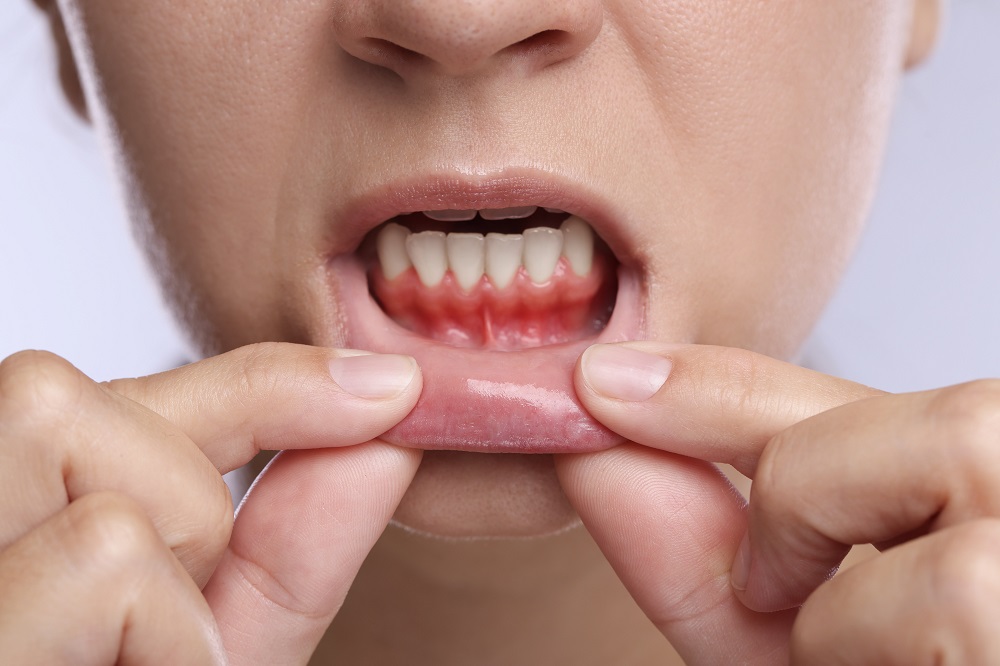

It is easy to think of gum disease as a local problem, something confined to the mouth and solved with a cleaning or a better toothbrush. In practice, periodontal disease rarely stays that tidy. Inflamed gums bleed, the supporting bone around teeth can shrink, harmful bacteria flourish below the gumline, and the body responds with a steady stream of immune activity. That response does not happen in isolation.
Dentists and physicians have spent years paying closer attention to the relationship between oral inflammation and systemic health. The reason is straightforward. The mouth is not separate from the rest of the body. It is full of blood vessels, immune cells, connective tissue, and bacteria, both helpful and harmful. When periodontal disease becomes active, the burden reaches beyond bad breath or tender gums. For many patients, especially those with diabetes, heart concerns, pregnancy-related changes, or autoimmune conditions, gum health becomes part of a larger health picture.
That is why timely, well-managed periodontal care matters. For patients searching for Periodontal Treatment Ventura, the goal is not simply to “deep clean the teeth.” The real goal is to control infection, reduce inflammation, preserve the structures that hold teeth in place, and lower a source of stress on the body that can quietly affect daily well-being.
The mouth-body connection is more direct than most people think
Healthy gums form a protective seal around the teeth. When that seal is intact, bacteria are easier to manage with regular brushing, flossing, and routine hygiene visits. Once plaque hardens into tartar and creeps below the gumline, things change. The gum tissue becomes irritated. It may swell, bleed, and begin to detach from the tooth surface, forming deeper pockets where oxygen levels drop and more aggressive bacteria thrive.
At that point, the body enters a prolonged inflammatory state. The immune system does what it is designed to do, but chronic inflammation is costly. It can disrupt healing, complicate blood sugar control, and add strain for patients whose bodies are already managing other conditions.
A patient may notice the dental signs first. Bleeding while brushing. Persistent bad breath. Teeth that feel subtly different when chewing. A space opening where there was not one before. Others do not notice much at all until a routine exam reveals bone loss on X-rays. That is one reason periodontal disease is so often underestimated. It can progress quietly.
The systemic impact is not always dramatic or immediate, and careful professionals avoid overstating the evidence. Gum disease does not “cause” every major medical condition people worry about. Still, there is strong and sensible concern about the role chronic oral inflammation can play in overall health. Clinically, the pattern is hard to ignore. When periodontal infection is brought under control, many patients report more comfortable chewing, fresher breath, less oral soreness, and often a general sense that their health feels more stable.
What periodontal disease does beneath the surface
Periodontal disease begins as gingivitis, which is inflammation limited to the gums. At this stage, it is often reversible. Once the inflammation extends deeper and begins to damage connective tissue and bone, it becomes periodontitis. That distinction matters because the stakes rise quickly.
The disease process is not just about bacteria sitting on tooth surfaces. It involves bacterial toxins, an exaggerated immune response in susceptible individuals, and structural changes to the tissues supporting the teeth. The gum pockets deepen. Bone resorption can occur. Teeth may loosen or drift. In more advanced cases, patients sometimes tell me they thought they just had “sensitive gums,” when in reality they had active periodontal breakdown.
There are also personal risk factors that shape how aggressive the disease becomes. Smoking remains one of the strongest and most stubborn contributors. Diabetes is another major factor, especially when blood sugar is not well controlled. Genetics can matter. So can stress, certain medications, hormonal changes, dry mouth, and inconsistent dental maintenance.
This is where good periodontal care becomes more than a rescue effort. It becomes a strategy for changing the oral environment before further tissue damage becomes much harder to control.
Why medical providers care about gum inflammation
A useful way to understand the connection is to think in terms of inflammatory burden. The body can handle a lot, but every chronic source of inflammation adds to the workload. Diseased gums can become one of those sources.
For people with diabetes, the link is especially important. Elevated blood sugar can impair healing and increase susceptibility to infection. At the same time, periodontal inflammation can make blood sugar management more difficult. It works in both directions. Patients often find this frustrating because they feel they are doing many things right, yet still struggle with stable readings. Gum health does not explain everything, but it is a clinically relevant piece of the puzzle.
Cardiovascular health is another area of ongoing interest. Researchers have explored associations between periodontitis and heart disease, stroke, and vascular inflammation. It would be careless to claim that gum treatment prevents heart attacks. The science is more nuanced than that. What is fair to say is that chronic periodontal inflammation is not a state anyone wants to maintain, especially in patients already managing cardiovascular risks. Reducing a source of infection and inflammation is a sensible part of comprehensive health maintenance.
Pregnancy introduces another layer. Hormonal shifts can make gums more reactive, and existing gum disease may worsen during pregnancy. This is one reason dental professionals encourage preventive care and timely treatment rather than waiting until after delivery. The objective is not alarmism. It is stability. Healthy gums are simply easier on the body during a period when the body is already doing extraordinary work.
Patients with autoimmune disease, kidney concerns, respiratory vulnerability, or a history of frequent infections can also benefit from better periodontal control. Each case is individual, but the principle is consistent. A healthier mouth gives the body one less chronic irritant to manage.
What Periodontal Treatment Ventura typically aims to accomplish
When people hear the phrase Periodontal Treatment Ventura, they may imagine one standard procedure. In reality, treatment is tailored to disease severity, anatomy, medical history, comfort level, and long-term goals.
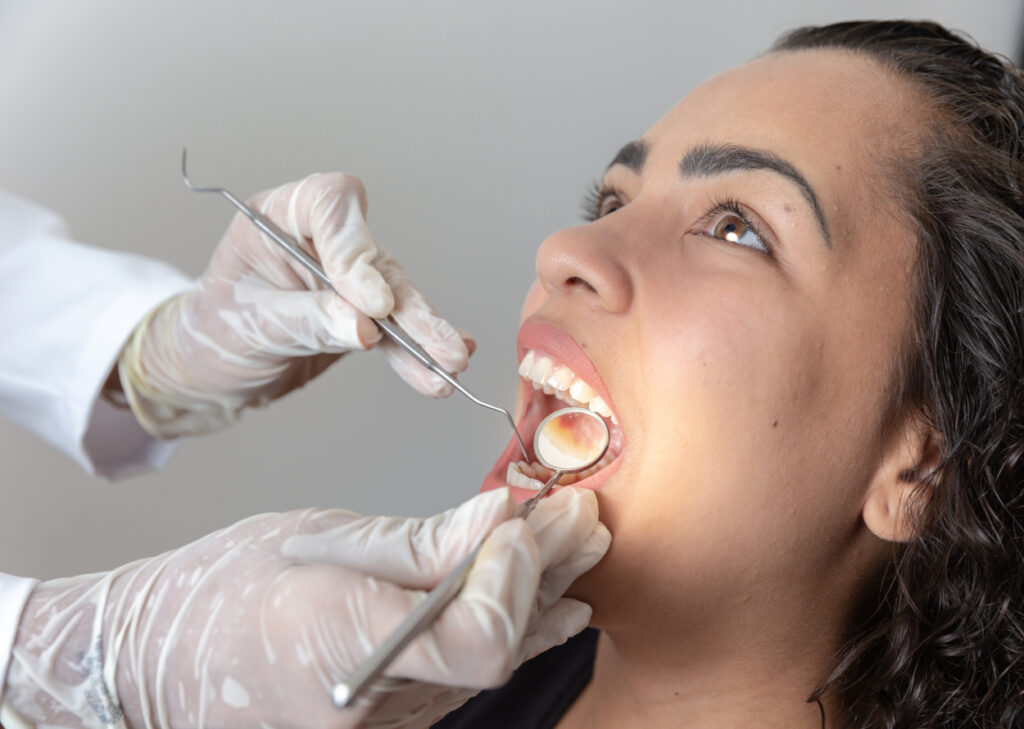
For early to moderate disease, the foundation is often scaling and root planing, commonly called deep cleaning. This is more precise than a routine prophylaxis. The clinician removes plaque, tartar, and bacterial deposits from below the gumline and smooths root surfaces so the tissue can reattach more effectively. In many cases, this significantly reduces pocket depths and bleeding.
Some patients also benefit from localized antimicrobial therapy, closer periodontal maintenance intervals, or consultation with a periodontist if pockets remain deep or bone loss is advanced. Surgical options may be appropriate in selected cases, especially where access is limited, defects are complex, or regenerative procedures may help preserve teeth.
The point of treatment is not cosmetic, though healthier gums do look better. The deeper purpose is to interrupt the cycle of infection and inflammation. When treatment works well, gum tissue becomes firmer, less swollen, and less likely to bleed. Pocket depths may improve. Home care becomes more effective because patients are no longer trying to clean around inflamed, tender, difficult-to-reach areas that trap bacteria.
That change matters for whole-body health because a quieter, healthier periodontal environment reduces one ongoing trigger for immune activation.
Signs that should not be ignored
Many patients wait too long because gum disease is often less painful than a cavity or cracked tooth. These signs deserve attention, especially if they persist:
- Bleeding when brushing, flossing, or eating firmer foods
- Chronic bad breath or a sour taste that does not improve with brushing
- Gums that look swollen, shiny, tender, or receded
- Teeth that feel loose, shifted, or different when biting
- Repeated “deep cleaning” recommendations that were postponed
None of these signs automatically mean severe periodontitis, but each deserves a proper periodontal evaluation rather than guesswork.
The practical impact of treatment on daily health
The most obvious benefit of periodontal therapy is local improvement. Chewing becomes more comfortable. Breath improves. Bleeding decreases. Teeth often feel cleaner and more stable. Those gains alone are worth pursuing.
But there is another level patients notice after treatment. They often describe less soreness, less awareness of their gums, fewer flare-ups, and a general sense that their mouth no longer feels inflamed all the time. That matters more than it sounds. Chronic oral discomfort has a way of wearing people down. Some avoid certain foods. Some rush through brushing because it hurts. Some stop flossing because every attempt ends in bleeding, then feel embarrassed at the next appointment. Once the tissue is healthier, those daily frictions begin to ease.
There is also a nutritional angle. People with active gum disease sometimes shift toward softer foods because chewing crunchy vegetables, nuts, or fibrous proteins feels unpleasant. Better periodontal health can make it easier to return to a more varied diet. That is a small but meaningful whole-body benefit.
Sleep can improve too, indirectly. Patients who grind their teeth, clench under stress, or wake with dry mouth often have more inflamed gums to begin with. Once periodontal treatment reduces infection and tenderness, and once home care becomes less irritating, some of the nightly discomfort lessens. It is not a cure for sleep disorders or bruxism, but it can remove one source of oral aggravation.
Why timing matters more than perfection
One of the biggest mistakes people make is waiting until symptoms become severe. They think treatment should wait until they can “do everything right” at home, or until work slows down, or until the discomfort gets bad enough to justify the cost. Periodontal disease rarely rewards delay.
Early intervention tends to be simpler, less invasive, and more predictable. Shallow to moderate pockets are generally easier to manage than advanced bone loss and tooth mobility. Gums that bleed occasionally are easier to stabilize than gums that have been chronically inflamed for years. Once support structures are lost, the goal shifts from reversal to control and preservation.
That does not mean late treatment is pointless. Far from it. Even patients with advanced disease can often keep teeth for years with skilled care and disciplined maintenance. But the conversation becomes more complex. Treatment may need to balance prognosis, cost, comfort, restorative plans, and medical limitations. Sometimes saving every tooth is not the best path. Judgment matters.
A good periodontal provider does not promise miracles. They explain what can likely be improved, what can be stabilized, and where the limits are.
The treatment experience, realistically described
Patients often come in worried that periodontal therapy will be painful or overwhelming. The experience is https://josueroym384.slatecurrent.com/posts/comparing-traditional-and-modern-periodontal-treatment-ventura usually far more manageable than they expect. Deep cleanings are commonly performed with local anesthetic so the area can be treated thoroughly and comfortably. Some offices divide treatment into sections, especially when multiple quadrants are involved. That makes it easier for patients to recover and keep up with work or family obligations.
After treatment, the gums may feel tender for a short time. Temperature sensitivity can increase temporarily, especially if heavy deposits were removed from exposed root surfaces. Mild soreness while chewing can occur. Most of this settles as the tissue heals.
What matters is the follow-through. A technically excellent deep cleaning will not hold its gains if the patient disappears for two years and resumes inconsistent home care. Periodontal disease is chronic in the same sense that high blood pressure or diabetes is chronic. It can be controlled very well, but it needs maintenance.
That maintenance is not punishment. It is how patients protect the progress they paid for and worked through.
Cases that require extra judgment
Not every periodontal case follows the same script. Smokers often show less bleeding even when disease is severe, which can create a false sense of security. Patients with diabetes may heal well once blood sugar improves, but their response to treatment can be slower if glucose remains elevated. Older adults may have gum recession without aggressive active disease, which means treatment planning should distinguish between wear-related exposure and true infection-driven pocketing.
There are restorative considerations too. Crowns with overhanging margins, poorly contoured fillings, bridges that are difficult to clean, and orthodontic crowding can all complicate periodontal control. In those cases, treatment may need coordination among the general dentist, hygienist, periodontist, and sometimes an orthodontist.
Another group that deserves special mention is patients with dental anxiety. Periodontal disease often advances further in people who have avoided care for years. They are not irresponsible. Many have had painful experiences, financial strain, or embarrassment that kept them away. The best care teams recognize this and meet it with clarity, not judgment. A calm explanation of pocket measurements, bleeding points, X-ray findings, and realistic next steps can change everything for a patient who has been dreading the conversation.
Home care after treatment makes the difference
No periodontal treatment succeeds on chairside care alone. The tissue has to stay clean between visits, and that requires a practical routine patients can maintain even on busy weeks.
The most effective home care habits are usually simple:
- Brush thoroughly along the gumline twice daily with a soft-bristled brush
- Clean between the teeth every day with floss, interdental brushes, or water flossing if recommended
- Use any prescribed rinse or antimicrobial product exactly as directed
- Keep periodontal maintenance visits at the interval advised, often every three to four months for active cases
- Address dry mouth, tobacco use, or uncontrolled diabetes, because these can undermine healing
Perfect compliance is rare. Consistent, realistic effort is what matters. A patient who improves from almost no interdental cleaning to four or five nights a week has made a meaningful change. A smoker who reduces use and keeps maintenance appointments may see better tissue response than expected. Progress is often incremental.
What patients in Ventura should look for in periodontal care
Choosing care is not just about convenience. For someone evaluating Periodontal Treatment Ventura options, it helps to look for a practice that explains findings clearly, documents pocket depths and bone levels, and gives treatment recommendations that match the severity of disease rather than pushing a one-size-fits-all plan.
A strong periodontal approach should include careful charting, good radiographic review, honest discussion of prognosis, and a maintenance strategy after active treatment. Patients should understand whether they have gingivitis, early periodontitis, or more advanced disease. They should know which teeth are stable, which areas need close monitoring, and what improvement would realistically look like at the next re-evaluation.
Good care also respects medical history. A patient on blood thinners, immune-modulating medication, or osteoporosis treatment may need special planning. A patient with a history of heart valve concerns may have questions that require communication with a physician. The strongest practices treat the mouth as part of the person, not a separate project.
The long view: preserving health, not just teeth
People often seek periodontal care because they want to avoid tooth loss, and that is a valid reason. Teeth matter. They support chewing, speech, confidence, facial structure, and quality of life. But the broader value of treatment is easy to miss until you have seen enough cases over time.
A healthy periodontal foundation supports predictable restorative work. It lowers the chance that crowns, implants, or bridges will be placed into an unstable environment. It makes hygiene visits more comfortable and effective. It reduces oral inflammation that can quietly persist for years. For patients with medical conditions already asking a lot of their bodies, that reduction matters.
There is a professional satisfaction in seeing this shift. A patient who once bled at every visit returns with firm tissue and shallow pockets. A patient with poorly controlled diabetes reports that their physician has noticed better trends since they started taking oral health seriously. A patient who avoided smiling because of swollen, receding gums feels normal again. These are not dramatic movie moments. They are steady, practical wins, and they add up.
Whole-body health is built through many small systems working as they should. Gum health is one of those systems. It rarely gets the attention given to diet, exercise, sleep, or medication, yet it interacts with all of them. That is why Periodontal Treatment Ventura should be viewed as more than dental maintenance. At its best, it is a form of preventive health care, one that reduces chronic inflammation, preserves function, and helps the body operate with less strain.
For many patients, that is the real payoff. Not just cleaner teeth, but a healthier baseline.
Avra Dental
Address: 1708 S Victoria Ave B, Ventura, CA 93003
Phone number: (805) 941-1001
FAQ About Periodontal Treatment Ventura
Can a dentist get rid of periodontal disease?
A dentist or gum specialist (periodontist) cannot fully cure or reverse advanced periodontal disease (periodontitis), but they can successfully stop its progression and manage the infection.
Is periodontitis very serious?
Yes, periodontitis is a very serious, advanced form of gum disease that destroys the bone and tissues supporting your teeth.
How is stage 2 periodontal disease treated?
Stage 2 periodontal disease (early to moderate periodontitis) is primarily treated with non-surgical deep cleaning procedures like scaling and root planing to remove bacteria and tartar below the gumline.