How to Choose a Reliable Emergency Dentist Ventura in a Crisis
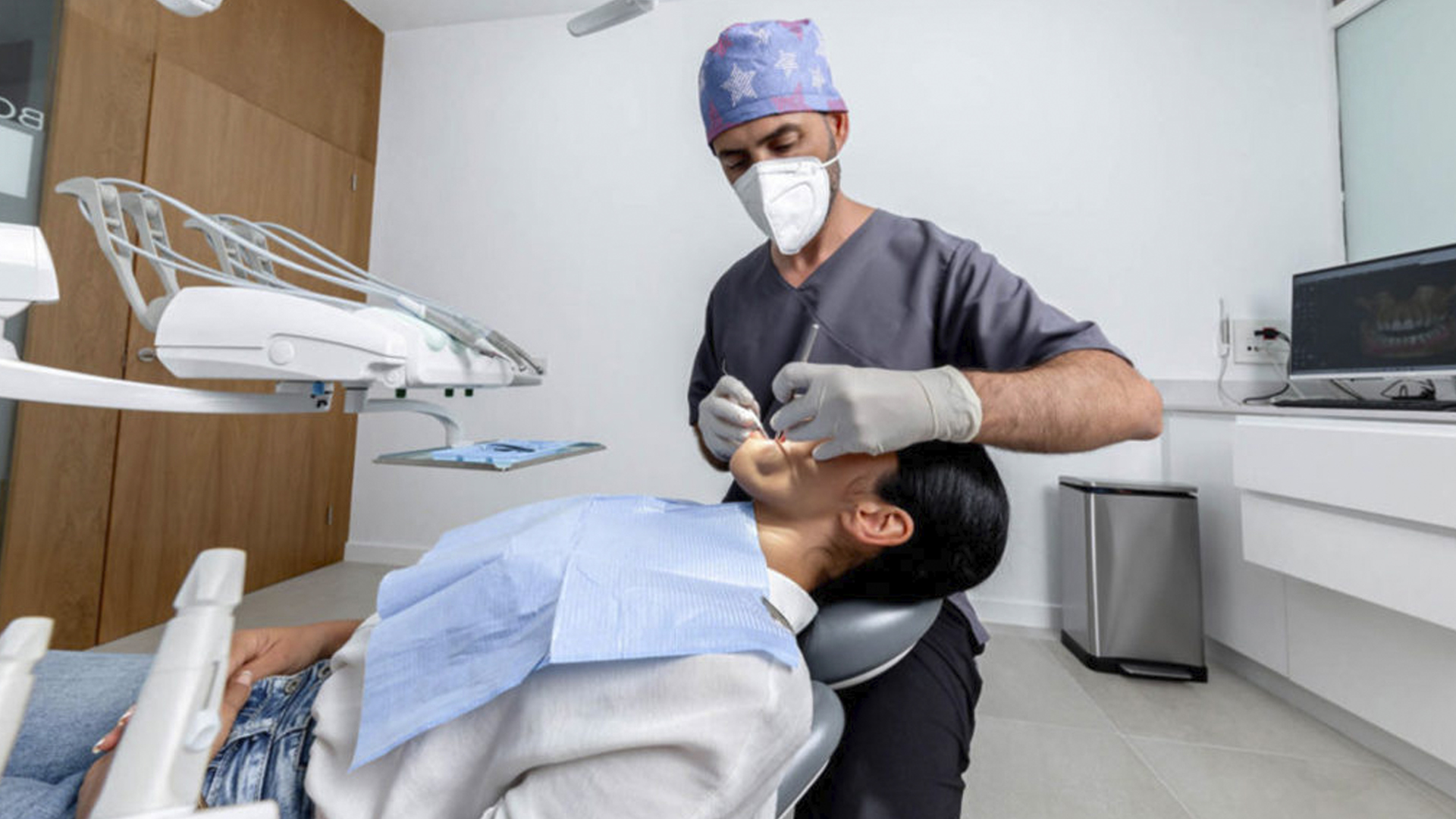


A dental emergency rarely arrives at a convenient hour. It tends to hit during dinner, in the middle of a workday, late on a Sunday, or just before an important trip. One minute you are fine, the next you are holding your jaw, trying to decide whether the pain can wait until morning. In that moment, choosing the right provider is not just about convenience. It is about judgment, safety, speed, and whether the person treating you can stabilize the problem without creating a bigger one.
If you are searching for an Emergency Dentist Ventura, the challenge is not finding a name online. Ventura has dental practices, urgent care options, and hospital emergency departments. The real task is figuring out who is actually equipped to manage your situation well, especially when you are stressed, tired, or in pain. Under pressure, people often make fast decisions based on whatever office picks up the phone first. Sometimes that works out. Sometimes it leads to delayed treatment, surprise fees, or care that addresses symptoms but misses the underlying problem.
A reliable emergency dentist does more than fit you into a packed schedule. They know how to triage quickly, explain what is urgent and what can wait, relieve pain safely, and move you toward a durable solution. That may mean repairing a broken crown the same day, treating an infected tooth before it spreads, or referring you for oral surgery when the case is beyond general practice. The difference matters.
What counts as a true dental emergency
Not every painful dental problem is an emergency, but plenty of them are urgent enough that you should not wait several days. Severe toothaches are a common example. A dull ache might stem from a cavity or clenching, but sharp, throbbing pain that keeps you awake often signals infection, inflamed pulp, or pressure inside the tooth. Swelling, especially facial swelling or swelling that affects swallowing, deserves immediate attention.
Trauma is another category where time matters. A knocked out adult tooth has the best chance of being saved if it is handled correctly and reimplanted quickly, often within 30 to 60 minutes. Cracked teeth can also be deceptive. Some fractures look minor but extend below the gumline, affecting whether a tooth can be restored. Bleeding that does not stop, lost fillings that expose sensitive dentin, abscesses, and broken restorations before an event or trip can all justify prompt care.
There is also the question of where dental care ends and medical care begins. If you have facial trauma after a fall or car accident, difficulty breathing, uncontrolled bleeding, or swelling that is moving into the neck, the emergency room may be the first stop. A good emergency dental office will tell you that clearly, rather than trying to shoehorn a medical emergency into a dental appointment.
Why the nearest office is not always the right one
People in pain naturally search by proximity. They type “Emergency Dentist Ventura” and pick the closest result with an open slot. Distance matters, of course. If someone has a swollen jaw or a child is crying in the back seat, a twenty minute drive can feel long. But the nearest office is not always the office best prepared for the situation in front of you.
Some practices advertise emergency care but reserve very limited same day capacity. Others can see patients quickly for an exam, yet do not perform common emergency procedures on site. That may still be useful, but it is not the same as having a dentist who can diagnose and treat during the same visit. There are also offices that look polished online but become hard to reach after hours, or that rely heavily on voicemail without a clear callback system.
In real emergencies, logistics matter as much as marketing. Can the practice answer the phone promptly? Do they have digital imaging on site? Can they perform extractions, root canal access, temporary crowns, or infection management when indicated? Do they work with local specialists for same week referrals? Those details separate a practice that genuinely handles urgent care from one that simply mentions it on the website.
The first phone call tells you a lot
When patients ask how to judge an emergency dental office quickly, I usually tell them to pay close attention to the first five minutes of contact. Reception and triage are not minor details. They are often the clearest window into how the practice handles pressure.
A capable front desk team will ask focused questions. They should want to know when the pain started, whether there is swelling, whether the tooth was injured, whether bleeding is controlled, and whether you have fever, trouble swallowing, or medical conditions that complicate treatment. If they hear signs of a potentially serious infection, they should treat that as urgent. If the situation sounds beyond dentistry, they should direct you to the ER without hesitation.
What you want to hear is calm competence. “We can see you at 2:00, please do not eat if you think an extraction may be needed, bring your medication list, and if swelling worsens or you develop trouble breathing, go directly to the emergency room.” That kind of response inspires confidence because it reflects a team that has handled these scenarios before.
What you do not want is vague reassurance that ignores risk. “Just take ibuprofen and come in next week” may be acceptable for mild sensitivity, but not for facial swelling or severe trauma. Offices that cannot distinguish the difference during intake may not be the right place for crisis care.
Signs that a Ventura emergency dentist is prepared, not just available
Availability is only one part of reliability. Preparedness is where quality shows up. In Ventura, as in most communities, many general dentists can manage common emergencies. The stronger offices tend to share a few characteristics.
They leave room in the daily schedule for urgent visits. That sounds simple, but it is operationally difficult, which is why not every office does it. A practice that routinely books every chair every hour often struggles to absorb emergencies gracefully. Patients may still get seen, but delays are more likely.
They also have the tools to diagnose quickly. Digital X rays and, in some cases, three dimensional imaging can make a major difference when the source of pain is unclear. A cracked root, a deep infection, or a failed restoration is easier to spot when the office can image on site instead of sending you elsewhere.
Clinical range matters too. Some emergency visits end with medication and a plan. Others require immediate hands on treatment. The dentist should be comfortable with common interventions such as draining an abscess when appropriate, stabilizing a loose tooth, recementing a crown, starting root canal treatment, smoothing a fractured edge, or extracting a tooth that cannot be saved. Not every case needs to be resolved in one appointment, but the office should be able to move it forward.
Questions worth asking before you commit
When you are hurting, you do not want to interrogate a receptionist for ten minutes. Still, a few pointed questions can save a lot of trouble. Keep them short and practical.
- Can you see me today, and is treatment possible today if needed?
- Do you handle dental infections, broken teeth, and trauma in your office?
- What is the emergency exam fee, and what additional costs might come up?
- Do you accept my insurance, or can you provide a clear self pay estimate?
- If I need a specialist, how quickly can you refer me?
Those five questions reveal a surprising amount. The first distinguishes a true urgent care slot from a consultation only. The second tells you whether the office actually performs emergency procedures. The third and fourth reduce the chance of financial surprises. The fifth shows whether the practice has a local network and a realistic sense of its own scope.
A strong office will not always be able to quote a total fee before an exam, because treatment depends on the diagnosis. That is normal. What they should be able to do is explain the emergency exam cost, typical ranges for common procedures, and how they approach consent before anything is done.
The role of insurance, fees, and financial clarity
Emergency care gets emotionally messy when money enters the picture. Pain makes people vulnerable to agreeing too quickly, while fear of cost makes others wait too long. Neither response is ideal.
A reliable emergency dentist in Ventura should be straightforward about fees. If they are in network with your plan, that helps, but it should not be the only factor. Some of the best urgent care experiences happen in out of network offices that explain charges clearly and focus on solving the problem fast. A bargain office that delays, upsells, or provides incomplete treatment can end up costing more.
Reasonable variation in fees is normal. An emergency limited exam, X rays, temporary stabilization, prescriptions, and a definitive procedure all carry different costs. What matters is whether the office communicates in a way that lets you make an informed decision. You should know what they are recommending, why they are recommending it, what the alternatives are, and what can safely wait if budget is tight.
Watch for pressure tactics disguised as urgency. There is a difference between “this infection needs prompt treatment” and “you need a full mouth treatment plan tonight.” In emergencies, good clinicians focus first on the acute problem. Broader dental needs can be discussed later, once the crisis has passed and you have the bandwidth to think clearly.
Reviews help, but only if you read them correctly
Online reviews can be useful, but star ratings alone are blunt tools. A practice with hundreds of happy hygiene patients may not be especially skilled at emergency care. On the other hand, an office that handles difficult urgent cases will sometimes get mixed reviews from people who were already in distress, financially strained, or unhappy that a tooth could not be saved.
Look for patterns in the comments. You want to see evidence of responsiveness, same day access, clear communication, pain relief, and honest explanations. Reviews that mention things like “they saw me within two hours,” “the dentist explained why my swelling was serious,” or “they got my child in right away after a sports injury” tend to be more meaningful than generic praise.
Be cautious with reviews that complain about treatment not being instantaneous when the case was clinically complex. A molar with a deep crack may not be fixable, no matter how eager the patient is. Reliability is not the same as saying yes to every request. Sometimes the best emergency care is an uncomfortable truth delivered promptly and professionally.
Ventura-specific practical considerations
Ventura has its own rhythm. Coastal communities often see a mix of locals, commuters, students, and visitors, which affects how dental emergencies present. Sports injuries, surfing accidents, falls, chipped front teeth before events, and vacation related issues are not unusual. That means some dental offices are more practiced than others at rapid triage for trauma and cosmetic stabilization.
Traffic and scheduling also matter more than people expect. If an office is technically close but impossible to reach during your appointment window, that is not ideal in a painful situation. Parking, accessibility, and whether the office is open through lunch can become very real factors when someone is trying to manage a swollen face or a nervous child.
Ventura patients also benefit from practices that have established referral pathways to endodontists, oral surgeons, and periodontists nearby. Emergency dentistry is often about knowing what can be done immediately and what needs coordinated follow through. A dentist with good local relationships can save you valuable time, especially if the problem requires specialist care within a day or two.
Red flags that deserve caution
Not every office that markets emergency care is equipped to provide it well. A few warning signs tend to show up again and again.
- The staff cannot tell you whether same day treatment is possible after the exam.
- No one asks about swelling, trauma, bleeding, fever, or difficulty swallowing.
- Fees are vague, but you are pressured to commit before a diagnosis.
- The office pushes unrelated elective work during the emergency visit.
- After hours contact is confusing, with no clear protocol for urgent calls.
Any one of these may have an innocent explanation, but several together should make you pause. In a crisis, clarity is part of care.
How a good emergency appointment usually unfolds
When the process is working well, an emergency visit feels focused rather than chaotic. You arrive, complete a brief health history, and are brought in quickly. The dentist or assistant narrows the problem with targeted questions. When did it start? Is the pain triggered by cold, biting, or pressure? Was there trauma? Is there swelling? Have you taken medication already? This is not small talk. These answers shape the differential diagnosis.
Imaging follows if needed, then the dentist explains what they see in plain language. Maybe the issue is a large cavity into the nerve, a vertical crack, a draining abscess, a failed root canal, or a loose crown with decay underneath. The next step should be clear. Sometimes the immediate goal is pain relief and stabilization. Sometimes it is definitive treatment on the spot.
One memorable example involved a patient who waited three days with lower molar pain because she assumed it was sinus pressure. By the time she called, swelling had spread along the jawline. The office that saw her did several things right. They asked the right questions on the phone, got her in that afternoon, took imaging immediately, drained the infection, started appropriate medication, and coordinated next day endodontic care because the tooth was still potentially restorable. She did not need perfection that day. She needed a team that knew what could not safely wait.
That is the standard worth looking for. Not glamour, not salesmanship, not a long list of cosmetic services. Calm, competent management of the problem in front of them.
Pain control matters, but so does diagnosis
People often judge an emergency dental visit by whether the pain improved quickly. That is understandable, but pain relief alone is not enough. Numbing a tooth or prescribing medication without identifying the cause can create a false sense of safety.
Antibiotics are a common area of confusion. They are useful in certain situations, especially infections with swelling or systemic involvement, but they do not “fix” a dead nerve, a fractured tooth, or a badly decayed molar on their own. A reliable dentist will explain that medication may buy time, reduce spread, or support treatment, but it is not a substitute for addressing the source.
The same goes for temporary fixes. Recementing https://edgarrfkf291.alderbrief.com/posts/emergency-dentist-ventura-steps-to-take-after-a-mouth-injury a crown, placing a sedative filling, or smoothing a sharp broken edge can be entirely appropriate in an emergency. The key is whether the dentist clearly explains what is temporary and what follow up is needed. Reliable care balances relief with realism.
Caring for children, older adults, and medically complex patients
Emergency dentistry changes when the patient is very young, medically fragile, or taking multiple medications. Children may struggle to describe pain accurately, and dental trauma in sports or playground accidents can involve both baby and permanent teeth. The office should be comfortable guiding parents through immediate steps and should know when a pediatric referral is the better move.
Older adults bring a different set of concerns. Thin, brittle teeth, existing crowns, dry mouth from medications, and anticoagulants can complicate treatment. A good emergency dentist does not rush past the medical history. They think about bleeding risk, healing, bone support, and whether the least invasive path is still the safest one.
For patients with diabetes, heart conditions, immune compromise, or extensive dental work, communication becomes even more important. Reliability means treating the dental problem while respecting the broader medical picture.
What to do before you get to the office
A little first aid can make the situation easier to manage, though it does not replace care. Rinse gently with warm salt water if the mouth is irritated. Use a cold compress on the face for swelling after trauma. If a permanent tooth is knocked out, hold it by the crown, not the root, and if possible keep it moist in milk or saliva while you seek care. Avoid placing aspirin directly on the gum, which can burn tissue. If bleeding is active, apply firm pressure with clean gauze.
It also helps to gather practical information before you leave home. Bring a medication list, allergies, insurance card if you have one, and details about when the problem started. If the emergency happened during sports or an accident, note the timing and mechanism. Those small details help the dentist move faster.
Choosing well under pressure
The best time to identify an Emergency Dentist Ventura is before you need one, but that is not how life usually works. Most people search when the crisis is already underway. If that is where you are, focus on the signals that matter most. Look for a practice that triages thoughtfully, communicates clearly, can diagnose on site, offers realistic treatment options, and knows its limits.
Pain creates urgency, and urgency can narrow judgment. The right dentist broadens it again. They help you understand what is happening, what needs to happen next, and how quickly. In a true dental emergency, that mix of speed and sound judgment is what turns panic into a plan.
Avra Dental
1708 S Victoria Ave B, Ventura, CA 93003, United States
Phone: +1 805-765-3206
FAQ About Emergency Dentist Ventura
Can the ER do anything for tooth pain?
An emergency department can assess serious symptoms and provide temporary relief, but definitive dental treatment usually requires a dentist. Trouble breathing or swallowing, uncontrolled bleeding, or swelling spreading into the neck requires emergency medical care.
What do I do if I have a dental emergency and no dentist?
Contact a local emergency dental practice promptly, explain your symptoms, and ask about the earliest available assessment. Avra Dental provides emergency dentistry in Ventura; call to confirm availability. If you have life-threatening symptoms or a serious facial injury, go to an emergency department or call 911.
What do I do if tooth pain is unbearable?
Seek urgent dental assessment rather than waiting for the pain to pass. While arranging care, gently rinse with warm water and avoid placing aspirin directly on the tooth or gums. Severe pain with trouble breathing or swallowing, rapidly spreading swelling, or uncontrolled bleeding needs immediate emergency medical care.